With the diversification of lifestyles, the "9-to-5" work pattern can no longer fully encapsulate the work status of modern people. More and more individuals are joining the ranks of "night owls."
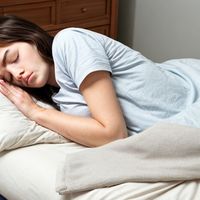
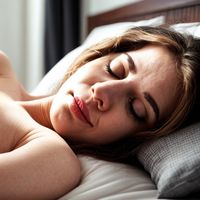
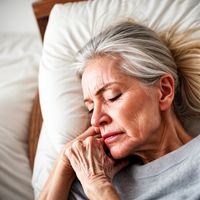
Researchers say that insomnia is the most common and primary sleep disorder. In terms of types of insomnia, it can be divided into difficulty falling asleep, easy awakening, and early waking, with difficulty falling asleep being the most common. Long-term staying up late can cause the following harm to the body:
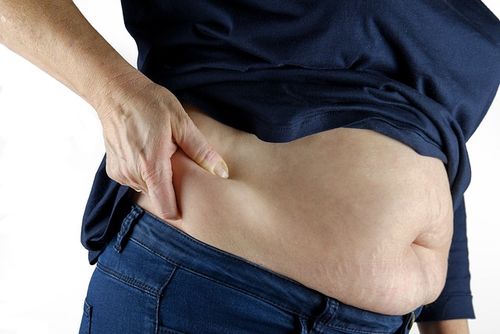
People who stay up late often eat "late-night snacks," which are not only hard to digest but also lead to a lack of appetite the next morning, causing nutritional imbalance and obesity.
2. Causes irreversible brain damage
Night owls never consider that staying up late can cause irreversible brain damage. A study published in the "Journal of Neuroscience" found for the first time that the damage to the brain caused by sleep deprivation cannot be repaired by catching up on sleep. At the same time, long-term staying up late can lead to dizziness, memory loss, inattention, and slow reaction.
Staying up late damages the brain, are night owls scared?
3. Decreased immunity
Frequent staying up late disrupts the normal physiological cycle and reduces the body's resistance. Among the various harms caused by staying up late, the most common are listlessness, fatigue, decreased physical resistance, and for those with weaker bodies, respiratory and gastrointestinal diseases are more likely to occur.
4. Increases the risk of liver disease
According to traditional Chinese medicine meridian theory, from 1 am to 3 am every day is the time when the liver meridian operates. At this time, the liver meridian is vigorous, the liver blood is renewed, and the liver's detoxification function is exerted. Staying up late can cause dysfunction and reduced efficiency in the liver, spleen, and kidneys, leading to various diseases due to the liver being overburdened.
Staying up late damages the brain, are night owls scared?
5.Increases the risk of cancer
Cancerous cells are produced during cell division, which mostly occurs during sleep. Staying up late disrupts the sleep pattern, affecting normal cell division, leading to cell mutation and the production of cancer cells. Additionally, the decreased resistance due to frequent staying up late increases the risk of cancer.
The good news is that most people with insomnia can restore their sleep to normal through self-regulation rather than medication. Today, we will introduce how to create a comfortable sleeping space!
A comfortable sleeping space
6. Room temperature
Physiology indicates that a bedroom temperature between 17-27 degrees Celsius maintains a stable metabolic level, suitable for sleep. Too high a room temperature makes it difficult for the body to dissipate heat, while too low can cause respiratory discomfort, leading to dry skin and wrinkles.
Staying up late damages the brain, are night owls scared?
7. Lighting
The primary function of the bedroom is sleep, so the lighting in the bedroom is particularly important. Curtains should ideally be made of light-blocking fabric to shield sunlight, neon lights, and outdoor light.
8. Environment
A bedroom of 10-15 square meters is preferable; too large and it can lead to restlessness and unstable sleep. As the main place for sleep, other functions should be minimized, walls should be kept clean, mirrors should not be placed, TVs should not be set up, and plants should not be placed. The color has a significant impact on sleep duration, with blue being called the most sleep-friendly color.
9. Create a drowsy atmosphere
The hippocampus in the human brain is the reaction area for odors and is closely related to memory and emotions. Different essential oils have different effects; some are uplifting, such as citrus essential oils. Of course, there are also calming essential oils, such as sandalwood, chamomile, and lavender, which contain components that can relax and help you have a good night's sleep.
By Noah Bell/Dec 23, 2024
By David Anderson/Dec 23, 2024
By Christopher Harris/Dec 23, 2024
By Sophia Lewis/Dec 23, 2024
By Christopher Harris/Dec 23, 2024

By Michael Brown/Dec 23, 2024

By Michael Brown/Dec 23, 2024
By Joshua Howard/Dec 23, 2024
By Sarah Davis/Dec 23, 2024

By William Miller/Dec 23, 2024
By Emma Thompson/Dec 22, 2024
By Olivia Reed/Dec 22, 2024
By Christopher Harris/Dec 22, 2024
By Elizabeth Taylor/Dec 22, 2024

By Rebecca Stewart/Dec 22, 2024

By Emma Thompson/Dec 22, 2024

By Noah Bell/Dec 22, 2024

By Amanda Phillips/Dec 21, 2024
By Samuel Cooper/Dec 21, 2024

By Michael Brown/Dec 21, 2024